SIMCARTEL Takedown in Latvia — 7 Arrested, 1,200 SIM-Boxes Seized
Action day in Latvia dismantled a SIM-box crime-as-a-service: 7 arrests, 1,200 devices and 40,000 active SIMs seized, 5 servers taken down, and thousands of victims across Europe.
Overview
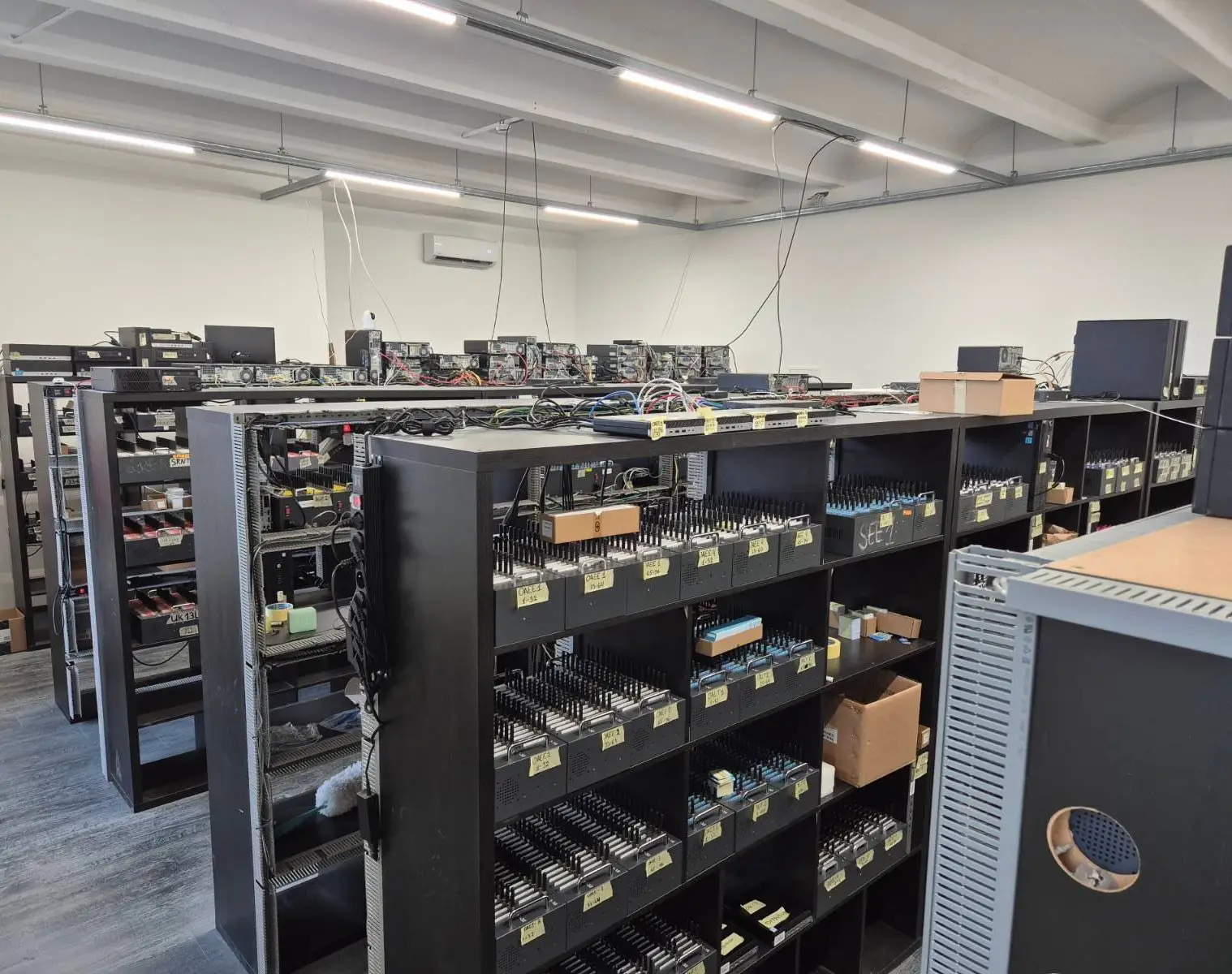
A coordinated action day in Latvia (10 Oct 2025) dismantled a sophisticated SIM-box crime-as-a-service operation codenamed “SIMCARTEL.” Authorities arrested five Latvian suspects on the day and two more during the wider operation (7 total), took down five servers, and seized ~1,200 SIM-box devices operating ~40,000 active SIM cards. Investigators linked the network to 1,700+ cyber-fraud cases in Austria and 1,500 in Latvia, with losses of ~€4.5M (AT) and ~€420k (LV).
The service sold phone numbers registered to people in 80+ countries, enabling perpetrators worldwide to create throwaway identities for smishing, phishing, account takeovers, and other telecom-enabled crimes—while masking true identity and location.
Headline results
- 7 suspects arrested (5 on action day, 2 subsequently)
- ~1,200 SIM-boxes and ~40,000 active SIMs seized
- 5 servers hosting the illegal service dismantled
- 2 domains (gogetsms.com, apisim.com) taken over by law enforcement with splash banners
- €431,000 in bank accounts and $333,000 in crypto frozen
- 4 luxury vehicles seized
- 1,700+ cases (Austria) and 1,500 (Latvia) attributed; total damages several million euros
- Hundreds of thousands of additional SIM cards also seized
Scale check: investigators estimate the platform’s renters created 49+ million online accounts using the illicit number pool.
How the service enabled crime
SIM-box infrastructure let clients route calls/SMS at scale using foreign numbers and rapid SIM rotation, making it easy to:
- register fake accounts (social, messaging, fintech) en masse,
- conduct smishing/phishing with believable local caller IDs,
- evade blocks/traceback by cycling numbers across jurisdictions.
Offences observed (examples)
- Second-hand marketplace fraud: mass fake accounts → smishing/phishing funnels.
- “Daughter/Son” WhatsApp scam: impostors claim emergencies from a “new number,” pushing four-figure transfers.
- Investment fraud: cold-calls, forced remote-access tools, staged dashboards; victims steered to deposit larger sums.
- Fake shops / fake bank pages: rented numbers listed in site headers and callback flows to boost credibility.
- Fake police officers: fraudsters (often targeting Russian-speaking victims) used forged IDs and in-person pickups of cash/valuables.
Takedown mechanics
- Action day in Latvia with searches (26), arrests, infrastructure seizures, and forensic imaging.
- Europol & Eurojust coordinated cross-border work and judicial orders; weekly case meetings and OSINT mapping of the service.
- Shadowserver assisted with technical dismantling; LE splash pages deployed on seized domains.
- Financial measures froze fiat/crypto and preserved evidence for restitution and follow-on cases.
Participating countries (selection)
- Austria: Bundeskriminalamt; LKA Salzburg; Staatsanwaltschaft Wien
- Estonia: Police (Politsei); Northern District Prosecutor’s Office
- Finland: Police; NCCU Finland; National Bureau of Investigation
- Latvia: State Police; Rīga Judicial Region & Northern Prosecution Offices
Why it matters (OnionSpace view)
Telecom-as-a-service tools like SIM-boxes supercharge identity fraud and smishing at continental scale. After a takedown, operators often rebrand, re-host, and resurface with similar offerings.
What to watch

OnionSpace Team
Trusted educational resource for safe, anonymous dark-web navigation.