260 Arrested in Africa Romance & Sextortion Scam Crackdown
A coordinated July–August operation across 14 African countries led to 260 arrests tied to online romance and extortion schemes targeting 1,400+ victims and nearly $2.8M in losses.
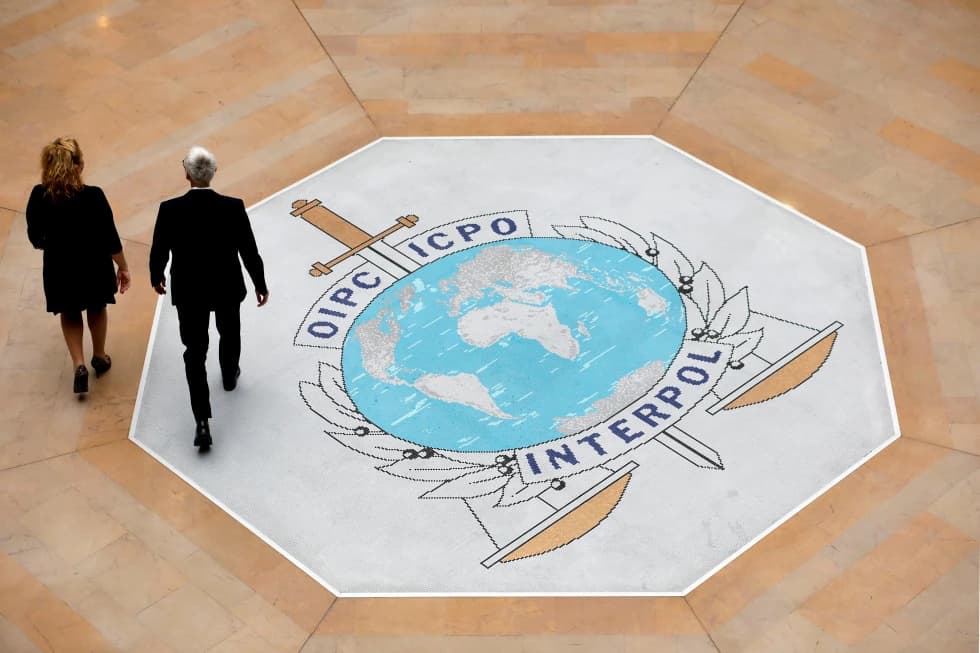
Overview
A coordinated INTERPOL action spanning July–August resulted in the arrests of 260 suspects in 14 African countries for alleged involvement in online romance and sextortion scams. According to INTERPOL, the schemes targeted 1,400+ victims who collectively lost nearly $2.8 million.
The operation focused on patterns where perpetrators build fake romantic relationships online to extract payments or blackmail victims using coerced or secretly recorded intimate content.
Key figures
- 260 arrests across 14 countries
- 1,400+ victims identified
- ~$2.8M in reported losses
Country highlights
Ghana
Authorities arrested 68 suspects linked to romance and sextortion schemes. Tactics included fake identities, fraudulent shipment-fee requests, and recorded explicit videos used for blackmail.
Senegal
Police detained 22 suspects accused of posing as celebrities on social networks and dating apps to defraud 100+ people of approximately $34,000.
Côte d’Ivoire
Officials arrested 24 suspects alleged to have used fake profiles to obtain intimate images and extort victims.
Why this matters (OnionSpace view)
Romance and sextortion schemes are low-barrier, high-impact crimes that scale with social media and messaging platforms. Even where the dark web isn’t directly involved, victims can be rerouted to anonymous upload services or onion-based leak threats to intensify pressure. These cases blend social engineering and privacy invasion, causing both financial and psychological harm.
Safety tips for readers
- Verify identities off-platform: reverse-image search avatars, check handles across multiple sites.
- Never send intimate content to unverified contacts; assume recordings can be used for leverage.
- Don’t pay extortion—preserve evidence (screenshots, IDs, payment requests) and report immediately.
- Lock down privacy settings; beware of “urgent” or “private” file links.
- If threatened with a “dark-web leak,” document everything and seek local cybercrime reporting channels.

OnionSpace Team
Trusted educational resource for safe, anonymous dark-web navigation.